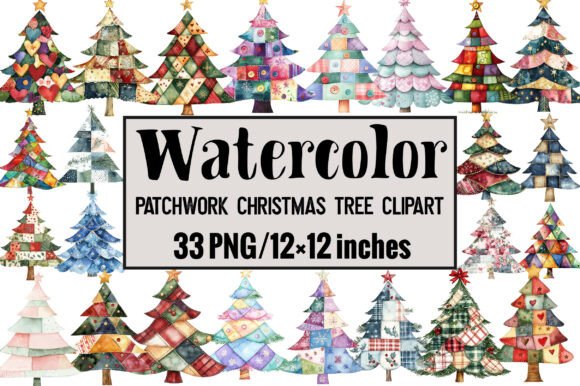
Review: Patchwork Christmas Tree Clipart for Embroidery
As a designer who has spent countless hours digitizing and stitching out holiday motifs, I have learned that not every festive graphic translates well to thread. The gap between a crisp digital vector and a textured, stitched reality is where many projects fail. This season, I took a close look at the Patchwork Christmas Tree Clipart to determine if it holds up under the needle. My goal was not just to admire the aesthetic but to evaluate its viability for real-world applications, from custom client orders to my own small shop inventory.
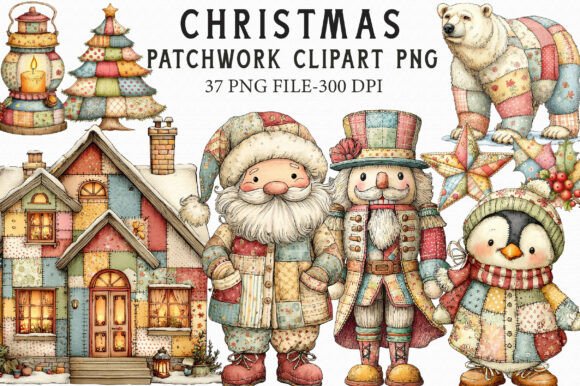
The first impression of this design is one of cozy nostalgia. Unlike the sharp, geometric precision of modern minimalism, this tree evokes the warmth of handmade quilts and heirloom textiles. The visual personality is soft and inviting, making it an ideal candidate for projects that aim to feel personal and heartfelt. For embroidery designers, this mood is crucial. We are not just selling stitches; we are selling a feeling. This particular illustration captures the essence of traditional holiday comfort, which resonates deeply with buyers looking for authentic, non-mass-produced decor.
Real-World Application: The Holiday Tote Test
To truly understand the potential of the Patchwork Christmas Tree Clipart, I imagined a specific scenario: creating a limited run of canvas tote bags for a local boutique’s holiday gift guide. Tote bags are a staple for Etsy sellers and craft businesses because they offer a large, flat surface area that is forgiving for various stitch types. However, canvas has a distinct weave that can interfere with fine details.
In this context, the patchwork style of the tree works in our favor. Because the design relies on blocky, segmented shapes rather than intricate, hairline details, it maintains clarity even on textured fabrics. When I visualized the stitching process, I considered how the fill stitch areas would interact with the fabric grain. The segmented nature of the patchwork look allows for directional stitching changes, which can add subtle depth and prevent the design from looking like a flat, plastic sticker. For a handmade product intended for daily use, this durability and visual interest are key selling points.
Versatility Across Product Lines
Beyond tote bags, this design shows promise across a wide range of custom apparel and home goods. For sweatshirt embroidery, the bold shapes of the tree stand out well against fuzzy fleece or cotton blends. The lack of extremely thin lines means the design is less likely to get lost in the pile of the fabric. Similarly, for baby embroidery projects, such as onesies or bibs, the soft, rounded edges of the patchwork segments are safe and visually appealing to parents who prefer gentle, classic aesthetics over flashy, neon-bright graphics.
For those running a small shop product line, consider using this motif on kitchen towels or aprons. The holiday embroidery market is saturated with generic snowflakes and rigid pine trees. A patchwork-style tree offers a unique angle that can help your brand stand out. It pairs beautifully with natural fiber threads, such as matte cotton or wool-blend rays, enhancing the rustic, artisanal vibe. If you are creating embroidered patches, this design is particularly suitable. The distinct color blocks translate well into dense satin or fill stitches, creating a raised, tactile element that customers love to touch.
Navigating Technical Challenges
While the aesthetic is strong, practical execution requires caution. As an experienced reviewer, I must highlight where this design might struggle. The primary concern with any patchwork-style illustration is stitch density. If each "patch" is filled too densely, the resulting emblem will be stiff and may cause puckering, especially on lighter fabrics. It is essential to check the stitch density settings in your digital embroidery file before production. You may need to reduce the density or use a lighter weight stabilizer to maintain the drape of the garment.
Another critical factor is the hoop size. Ensure that the design fits comfortably within your machine’s hoop without requiring excessive re-hooping, which can lead to alignment issues. For curved surfaces like caps or hats, the rigid structure of the patchwork segments might distort if the fabric stretches. In such cases, testing on a scrap piece of similar material is non-negotiable. Additionally, be mindful of thread colors. High contrast between the patches creates the quilted effect, but if the contrast is too stark, it can look disjointed. Aim for a harmonious palette that mimics traditional fabric swatches.
Enhancing Brand Value and Customer Trust
From a business perspective, the quality of your design assets directly impacts customer trust. A clean, well-digitized machine embroidery design signals professionalism. When buyers see consistent stitch quality and thoughtful design choices, they are more likely to perceive your finished product as high-value. This Patchwork Christmas Tree Clipart contributes to brand consistency if your shop focuses on rustic, vintage, or handmade themes. It reinforces the narrative of care and craftsmanship.
For commercial embroidery projects, licensing is paramount. Before selling items featuring this design, confirm the license terms provided with the illustrations. Many creators offer different licenses for personal use versus commercial sales. Ensuring you have the right to sell personalized gifts or bulk items protects your business from legal issues and builds long-term credibility.
Practical Designer Notes for Success
To get the best results from this design, follow these practical steps:
- Test on Scrap Fabric: Always stitch out a test sample on the exact fabric you plan to use. This reveals any tension issues or density problems.
- Check Color Contrast: Use a black and white mockup to ensure the shape remains recognizable even without color. This helps in selecting thread combinations that provide enough definition.
- Review Stitch Types: Determine if the design uses satin stitch for borders or running stitch for detailing. Adjust your machine settings accordingly to prevent thread breaks or loose stitches.
- Consider Stabilizer Choice: For stretchy fabrics like t-shirts, use a cut-away stabilizer. For woven fabrics like linen, a tear-away may suffice, but ensure it provides enough support for the fill areas.
- Verify File Compatibility: Confirm that the embroidery file format matches your machine’s requirements. Convert files if necessary using reliable software to avoid data corruption.
In conclusion, the Patchwork Christmas Tree Clipart is a versatile and charming addition to any holiday design library. It bridges the gap between digital convenience and handmade warmth. By understanding its technical requirements and leveraging its aesthetic strengths, you can create standout products that resonate with customers. Whether you are decorating a tote bag design or crafting a unique personalized gift, this design offers the reliability and charm needed for successful craft business ventures. Take the time to test, adjust, and refine, and you will find that this tree stands tall in both appearance and performance.